 Skip to content

From Monumental Restorations to Modern Interiors: Why Gold Leaf Is the Must-Have for 2025 (and How Wrights of Lymm Makes It Happen)
- by Sam Wozniak
Gold leaf has quietly moved from the back rooms of conservation studios and the domes of grand monuments into living rooms, restaurants and contemporary artworks. In 2025 the material’s appeal is twofold: it carries unmatched historic authenticity for restoration and monumental work, while also feeding a strong modern appetite for tactile luxury in interior design and creative practice. Wrights of Lymm sits at the intersection of those worlds — supplying high-quality goldleaf and expert advice to gilders, restorers and designers alike.
Below I explain the major trends shaping the gold leaf market today, why genuine gold remains the first choice for responsible restoration and monumental gilding, practical guidance for choosing materials and methods, and how Wrights of Lymm supports projects from small decorative commissions to large-scale conservation jobs.
1. The trends driving demand for gold leaf in 2025
There are three headline trends strengthening demand for real goldleaf this year:
A renewed interest in authenticity and restoration. Historic buildings, memorials and heritage interiors are benefiting from increased conservation funding and public interest in high-quality restoration. Conservators prefer true gold leaf when re-gilding original features because it offers longevity and a historically accurate finish.
Gold leaf in contemporary interiors and creative practice. Designers and makers are re-introducing genuine and imitation gold leaf into residential and hospitality interiors — think gilded trims, feature ceilings, art objects and accent furniture — which has broadened the market beyond conservation professionals. This trend also includes beginner and DIY gilding projects becoming more accessible.
Outdoor and monumental applications are evolving. Monumental gilding (statues, finials, domes, weather vanes) remains a core use for gold leaf, but practitioners are experimenting with outdoor art and urban accents, pushing the limits of application techniques and protective treatments for external exposure.
These dynamics combine to make 2025 a pivotal year: gold leaf is simultaneously a conservation necessity and a contemporary design statement.
2. Why genuine gold leaf is still the professional choice for restoration and monumental work
For restorers and monumental gilders, three technical reasons keep genuine gold leaf at the top of the materials list:
Durability and corrosion resistance. Pure gold (23.5ct–24ct) does not tarnish, which makes it an ideal long-term finish outdoors and in humid interior environments. When the goal is faithful restoration or a maintenance-minimised surface for a monumental feature, nothing matches true gold.
Visual fidelity and historic accuracy. Historic gilding was done with high-carat gold. Replacing or repairing original work with the same type of goldleaf preserves an object’s intended appearance and value. Museums and conservation projects therefore prioritise authentic materials.
Compatibility with conservation techniques. Established gilding processes (water gilding, oil-size gilding and burnishing) rely on the known behaviour of real gold leaf. Skilled gilders use those methods to achieve traditional sheen and texture that imitation leaf and modern gold paints cannot replicate.
If you’re planning a restoration or monumental gilding project, insist on genuine gold leaf for the primary surfaces; protective lacquers and modern sealants can be used to extend lifespan while keeping the authentic finish beneath.
3. The contemporary designer’s view: gold leaf as a modern accent
While conservators think about longevity and historicity, designers and independent makers focus on how goldleaf interacts with light, texture and scale. Contemporary trends include:
-
Applying gold leaf sparingly as a highlight — thin bands on furniture edges, asymmetric appliqués on canvas, or gilded architectural mouldings — to create impact without ostentation.
-
Using mixed materials: combining gold with painted matt surfaces, patinated metals or textured plaster to create layered, tactile finishes.
-
More approachable DIY and small-scale gilding projects: workshops and online tutorials have made basic gilding skills more accessible, widening the audience for goldleaf beyond craft specialists.
For interior projects where the budget or exposure doesn’t demand 24ct leaf everywhere, high-quality imitation leaf and specialist metal leaf variants can deliver dramatic results at lower cost — but note that they behave and age differently from true gold.
4. Choosing the right gold leaf: 23.5ct vs 24ct, and water vs oil gilding
Two practical decisions dominate: carat and gilding method.
Carat choice. Real gold leaf is commonly sold as 23.5ct or 24ct. 24ct is pure gold and offers the warmest, most luminous finish; 23.5ct is slightly alloyed for hardness but still behaves like true gold in appearance and longevity. For outdoor monumental work or high-value historic restoration, purer leaves are preferred.
Gilding method.
-
Water gilding produces an exceptionally smooth and lustrous finish and allows burnishing to a high sheen, traditionally used for frames and fine interior ornament.
-
Oil (size) gilding is more practical for exterior elements or porous substrates and is widely used in monumental and architectural gilding where the surface or environmental conditions preclude water gilding.
Wrights of Lymm stocks leaf suitable for both methods and can advise on the right specification depending on whether your project is interior decoration, conservation, or monument gilding.
5. Monumental gilding — planning, specification and maintenance
Large-scale gilding (domes, memorials, weather vanes, statue details) requires careful planning:
Substrate and adhesion: The substrate preparation and the correct choice of size (adhesive) are as important as the leaf itself. Monumental projects often require oil-based sizes or specialist mastics to withstand weather and movement.
Specification and budgeting: High-carat goldleaf will be costlier, but life-cycle thinking frequently shows it is the most economical choice long term because of reduced re-gilding frequency. Market data indicates the gold leaf sector continues to grow, reflecting both increased decorative usage and investment in high-quality materials for heritage work.
Maintenance planning: Even with genuine gold, attention to protective coatings and scheduled inspections extends the interval between interventions. Conservators specify maintenance regimes tailored to exposure and public access.
Wrights of Lymm collaborates with contractors and conservators to produce specifications, supply appropriate leaf (including specialist large-format rolls and sheets for monumental work), and recommend protective systems.
6. Sustainability, sourcing and market context
The gold leaf market is not isolated from broader supply-chain and sustainability concerns. While gold used in leaf is a tiny fraction of global gold consumption, buyers increasingly ask about ethical sourcing, chain-of-custody and the environmental footprint of production. The market’s continued growth in value reflects wider adoption across industrial, commercial and artistic segments, which makes transparency and quality control more important than ever.
For architects, conservators and designers who care about provenance, choosing a trusted supplier with documented sourcing practices and consistent product quality is essential. Wrights of Lymm provides product data and can advise on traceability for larger projects.
7. Practical advice: how to specify and buy gold leaf for your project
If you’re procuring gold leaf for restoration, gilding or a monumental job, follow this short checklist:
-
Define the application and exposure — interior decorative panel, exterior dome, small sculpture, or frame restoration. The environment determines carat and protective needs.
-
Choose the correct carat and leaf format — 24ct for maximum lustre and corrosion resistance; 23.5ct when slight alloying is acceptable; consider transfer leaf or loose leaf formats depending on the gilder’s method.
-
Specify the gilding method — water gilding for burnished interiors; oil-size for outdoor/porous substrates. Ask your supplier for recommended sizes.
-
Budget for lifecycle costs, not just material cost — true goldleaf costs more up front but often reduces long-term maintenance compared with imitation alternatives.
-
Ask about provenance and stock availability — particularly critical for large or heritage projects where like-for-like replacement is required.
Wrights of Lymm’s team is used to producing project-specific quotes and can supply technical data, sample packs and guidance for conservators and designers.
8. Case studies: where gold leaf is making a difference
Across the UK and internationally, recent projects illustrate gold leaf’s double role as conservative material and contemporary finish:
-
Heritage re-gilding: Memorials, fine timber interiors and ecclesiastical ornament have been re-gilded with authentic leaf to restore original visuals and durability. Conservators rely on genuine goldleaf for these sensitive repairs.
-
Monumental accents: City landmarks and rooftop finials continue to be re-gilded by specialist teams using oil-size techniques and high-carat leaf for longevity.
-
Design and craft: Boutique hotels and private clients commission gilded ceilings, bespoke frames and art commissions that use goldleaf as a contemporary luxury detail.
Each example confirms that whether your project is monumental or domestic, authentic gold leaf can deliver both aesthetic and conservation benefits when correctly specified.
9. Why choose Wrights of Lymm?
Wrights of Lymm combines product range, technical experience and a practical understanding of restoration and monumental gilding. Whether you’re a conservator needing like-for-like gold for a restoration, a monumental gilder organising a large exterior re-gilding, or a designer exploring gold leaf accents, Wrights of Lymm:
-
Supplies genuine 23.5ct and 24ct goldleaf in a variety of formats and sheet sizes.
-
Advises on gilding methods (water vs oil size), substrate prep and protective coatings.
-
Supports project specification and offers sample packs so you can test finishes before committing.
-
Understands the balance between authenticity, cost and long-term maintenance.
If your next brief includes the words gold leaf, restoration, gilding, monumental or goldleaf, Wrights of Lymm is set up to help you choose the right materials and support a successful finish.
10. Final thoughts: marrying tradition and innovation
Gold leaf’s renaissance is not a flash in the pan. It’s built on a renewed respect for heritage, coinciding with fresh creative energy from designers and makers. For anyone involved in restoration or monumental work, the technical and ethical case for genuine goldleaf is compelling. For interiors and craft, gold leaf offers a tactile, luminous accent that modern substitutes struggle to match.
If you’re planning a project — large or small — that calls for expert materials and guidance, contact Wrights of Lymm. We can help you specify the right leaf, advise on gilding technique, and ensure your finish stands the test of time.
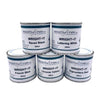
Need help specifying leaf for a restoration, monumental re-gilding or interior gilding project? Wrights of Lymm offers sample packs, technical sheets and project quotations tailored to conservation and design professionals.



)