Skip to content

Timeless Brilliance: Using Signwriting Enamels and Gold Leaf in Art and Design
- by Sam Wozniak
For centuries, artists, designers, and craftspeople have relied on gold leaf and specialist paints to create work that commands attention and endures the test of time. From traditional shopfront lettering to contemporary mixed-media art, the combination of signwriting enamels and goldleaf remains one of the most powerful tools available to creatives working at the highest level.
At Wrights of Lymm, these materials are not viewed simply as supplies, but as essential instruments of expression. Whether used in monumental lettering, fine art, architectural gilding, or heritage restoration, gold leaf and enamels continue to bridge craftsmanship and innovation in art and design.
This article explores the many creative and professional ways these materials can be used today, why they remain unrivalled, and how artists and designers can incorporate them into modern practice.
The Enduring Appeal of Gold Leaf in Creative Work
Gold leaf has been used decoratively for over 5,000 years, yet it remains as relevant now as ever. Beaten to extraordinary thinness, genuine gold leaf reflects light in a way no paint or synthetic finish can replicate.
Artists and designers continue to choose 24 carat and 23.5 carat gold leaf because it offers:
-
Exceptional luminosity and reflectivity
-
Resistance to tarnishing (particularly at higher carats)
-
Longevity for both interior and exterior work
-
A tactile, handcrafted finish that cannot be mass-produced
Unlike imitation alternatives, genuine goldleaf develops character over time, enhancing the value and presence of the finished piece.
Understanding Signwriting Enamels and Their Role
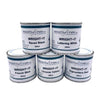
Our Wrights-It Signwriting enamels are specialist oil-based paints formulated for durability, flow, and high pigmentation. Originally developed for commercial signage, they are now widely used across art, illustration, and decorative design.
Their continued popularity is due to several key qualities:
-
Smooth consistency for brush control and sharp edges
-
Strong adhesion to wood, glass, metal, and masonry
-
High opacity and colour depth
-
Excellent compatibility with gilding techniques
When paired with gold leaf, signwriting enamels allow artists to frame, outline, shadow, and contrast gilded areas with precision and elegance.
Traditional Signwriting: A Living Craft
One of the most recognised uses of gold leaf and enamels is traditional signwriting. Gilded lettering on glass, timber, or stone remains a hallmark of quality and heritage.
Gold leaf lettering is commonly used for:
-
Shopfronts and heritage businesses
-
Public houses and hotels
-
Law firms, banks, and institutions
-
Commemorative plaques
The reflective quality of 23.5 carat or 24 carat gold leaf ensures visibility in low light and changing weather, while enamel backgrounds provide contrast and definition.
This blend of materials results in signage that is not only functional but also artistic, reinforcing brand identity and trust.
Contemporary Art and Mixed Media Applications
Modern artists increasingly incorporate goldleaf into paintings, sculptures, and installations. When used selectively, gold leaf introduces symbolism, texture, and light interaction that elevates a piece beyond flat colour.
In contemporary art, gold leaf is often used to:
-
Highlight focal points within abstract compositions
-
Contrast raw or industrial materials
-
Reference themes of value, time, or impermanence
-
Layer with enamels, inks, and acrylics
Signwriting enamels are particularly useful in this context because they retain brush marks and allow controlled line work alongside delicate gilding.
Architectural Gilding and Interior Design
In architectural settings, gilding with gold leaf has long been associated with prestige and craftsmanship. Today, designers are reintroducing goldleaf into interiors in more restrained, modern ways.
Popular applications include:
-
Feature walls and ceiling details
-
Decorative mouldings and cornices
-
Furniture accents and bespoke joinery
-
Luxury retail and hospitality interiors
Signwriting enamels are often used as base colours or surrounding finishes, ensuring clean edges and durable surfaces that complement the gold.
Monumental and Large-Scale Lettering
Gold leaf has a strong presence in monumental work, where clarity, permanence, and respect for tradition are paramount. Stone lettering gilded with goldleaf remains a standard for memorials, civic buildings, and places of worship.
Key reasons gold leaf is chosen for monumental lettering include:
-
Exceptional visibility at distance
-
Resistance to weathering
-
Symbolic associations with honour and permanence
-
Compatibility with carved and incised stone
Signwriting enamels are frequently used for preparatory stages, background fills, or shadowing to enhance depth and legibility.
Restoration and Conservation Projects
In restoration, authenticity and material integrity are essential. Gold leaf and traditional enamels play a critical role in conserving historic buildings, signage, and artworks.
Restoration specialists rely on these materials to:
-
Match original finishes accurately
-
Maintain historical techniques
-
Ensure long-term durability
-
Respect the character of listed or protected structures
High-purity goldleaf, particularly 23.5 carat, is favoured for exterior restoration due to its balance of durability and workability.
Gold Leaf on Glass: Reverse and Water Gilding
One of the most skilled applications of goldleaf is glass gilding. Whether applied using water gilding or oil gilding techniques, gold leaf on glass produces striking results.
Common uses include:
-
Window signage and door panels
-
Decorative mirrors and panels
-
Awards, certificates, and bespoke artwork
Signwriting enamels are used to back up gilded areas, add colour layers, or create intricate detailing behind the gold leaf, enhancing depth and contrast.
Choosing Between 24 Carat and 23.5 Carat Gold Leaf
Selecting the correct gold leaf is essential for achieving the desired result.
-
24 carat gold leaf offers maximum purity and brightness, ideal for interior art and controlled environments.
-
23.5 carat gold leaf provides excellent durability while retaining brilliance, making it suitable for exterior work, signage, and restoration.
Both options deliver superior results compared to lower-carat or imitation alternatives.
Combining Enamels and Gold Leaf for Lasting Impact
The true strength of these materials lies in how they work together. Signwriting enamels provide structure, colour, and durability, while goldleaf adds light, prestige, and refinement.
Together, they allow artists and designers to:
-
Create work that lasts decades rather than years
-
Achieve finishes impossible with modern shortcuts
-
Stand apart in a digital, mass-produced world
-
Honour traditional craftsmanship while embracing modern design
A Timeless Choice for Modern Creativity
Despite the rise of digital printing and synthetic finishes, gold leaf and signwriting enamels remain irreplaceable in art and design. Their tactile quality, visual impact, and historical resonance continue to inspire professionals across disciplines.
For those seeking authenticity, longevity, and unmatched visual presence, these materials are not relics of the past—they are tools for the future.
Wrights of Lymm continues to support artists, signwriters, conservators, and designers who value skill, tradition, and excellence, ensuring that the art of gilding and enamel work remains vibrant for generations to come.